
In recent years, the conversation around weight loss has shifted from “willpower” to “biology.” Central to this shift is a class of compounds known as peptides. You’ve likely heard names like Semaglutide or Tirzepatide mentioned in the news or by health professionals. But what exactly are these substances, and how do they help people shed pounds so effectively?
In this post, we’ll break down the science of peptides in simple terms, explaining how they manage hunger and give your metabolism a much-needed boost.
What Are Peptides?
At their simplest, peptides are short chains of amino acids. Think of amino acids as the “building blocks” of life. When a long chain of them folds together, they create a protein; when the chain is short (usually between 2 and 50 amino acids), it is called a peptide.
In your body, peptides act like biological messengers. they travel through your bloodstream and “talk” to different organs, telling them to perform specific tasks—like healing skin, building muscle, or, in the case of weight loss, telling your brain that you are full.
How Peptides Reduce Your Appetite
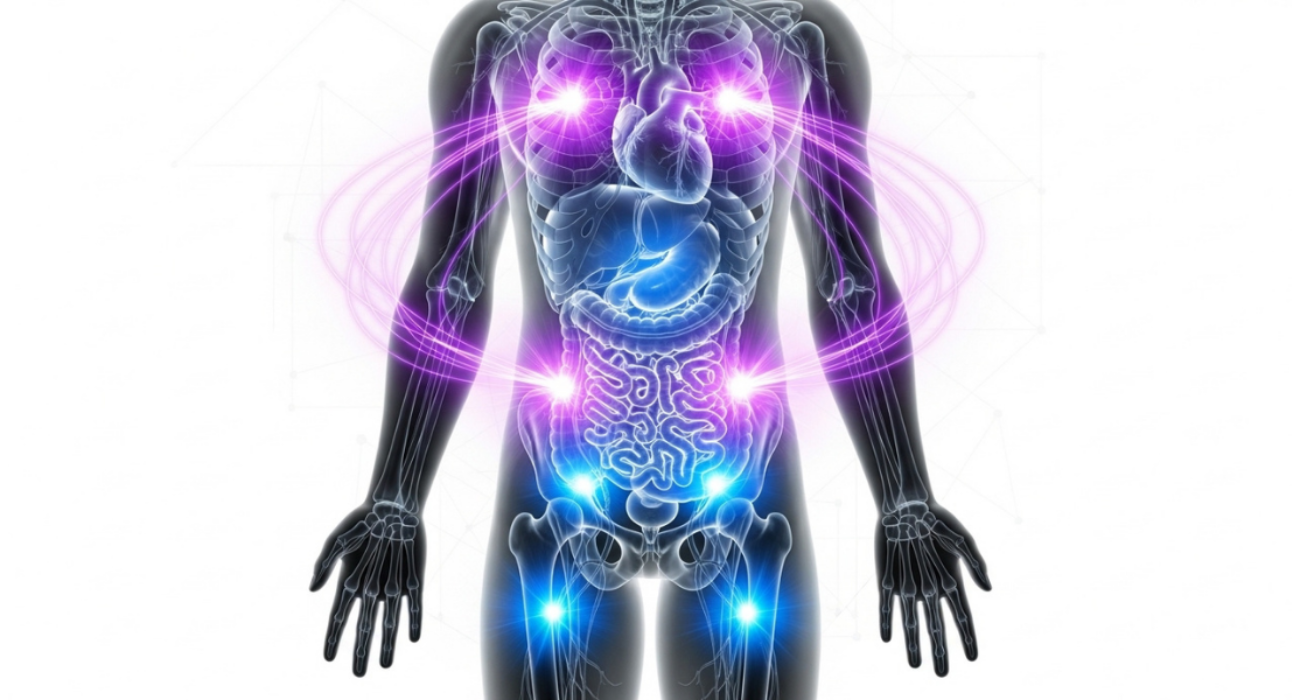
The biggest challenge in losing weight is often the constant feeling of hunger or “food noise”—those intrusive thoughts about your next meal. Peptides target this issue through the gut-brain axis, a direct communication line between your digestive system and your brain.
Here is how they quiet the hunger:
- Mimicking Natural Hormones: Many weight loss peptides are “agonists.” This means they mimic natural hormones like GLP-1 (Glucagon-like peptide-1) that your body normally releases after you eat.
- Signaling Fullness (Satiety): These peptides send signals to the hypothalamus (the brain’s hunger center), making you feel satisfied much sooner during a meal.
- Slowing Gastric Emptying: They slow down how quickly food leaves your stomach. Because food stays in your stomach longer, you feel physically full for a more extended period, which naturally leads to eating less.
Supporting Your Metabolism and Fat Burning
Peptides don’t just stop you from eating; they also change how your body handles the energy you already have. This is where the metabolic support comes in.
-
Blood Sugar Regulation: Peptides help the pancreas release the right amount of insulin when blood sugar rises. This prevents the “sugar crashes” that often lead to intense cravings for junk food.
-
Glucagon Control: Some newer peptides also manage glucagon, a hormone that influences how your body stores and burns fat.
-
Energy Expenditure: Certain advanced peptides are being studied for their ability to increase “thermogenesis”—essentially helping your body burn more calories even while at rest.
Key Examples of Weight Loss Peptides
The world of peptide therapy is moving fast. Here are three of the most prominent examples currently making waves in 2026:
1. Semaglutide (e.g., Wegovy)
This was the first “breakthrough” peptide for obesity. It is a pure GLP-1 receptor agonist. By mimicking just one hormone, it effectively slows digestion and reduces appetite. Clinical trials have shown it can help people lose an average of 15% of their body weight.
2. Tirzepatide (e.g., Zepbound)
Tirzepatide is a “dual-agonist.” It mimics two different hormones: GLP-1 and GIP (Glucose-dependent insulinotropic polypeptide). By targeting two pathways instead of one, it often produces even greater weight loss results—sometimes exceeding 20-22% of total body weight.
3. Cagrilintide
Cagrilintide is a newer player that mimics amylin, a hormone co-secreted with insulin that signals fullness. It is often used in combination with Semaglutide (a pairing sometimes called CagriSema). This “dual-attack” approach has shown potential for weight loss of up to 25%, making it one of the most powerful options on the horizon.
Are There Side Effects?
While peptides are highly effective, they are not a “magic pill” without consequences. Because they slow down your digestion, the most common side effects are gastrointestinal. These include:
-
Nausea
-
Diarrhea or constipation
-
Occasional stomach pain
Most people find these symptoms fade as their body adjusts to the medication, but it is essential to use these treatments only under the guidance of a healthcare professional.
Conclusion
Peptides have transformed weight management by addressing the biological roots of hunger and metabolism. By mimicking the body’s own signaling system, they help people feel full faster, stay full longer, and process energy more efficiently.
However, they work best when paired with a healthy diet and regular physical activity. If you are struggling with weight loss despite your best efforts, peptide therapy might be the tool that finally balances the scales in your favor.
Note: Always consult with a doctor before starting any peptide or weight loss medication to ensure it is safe for your specific health needs.