


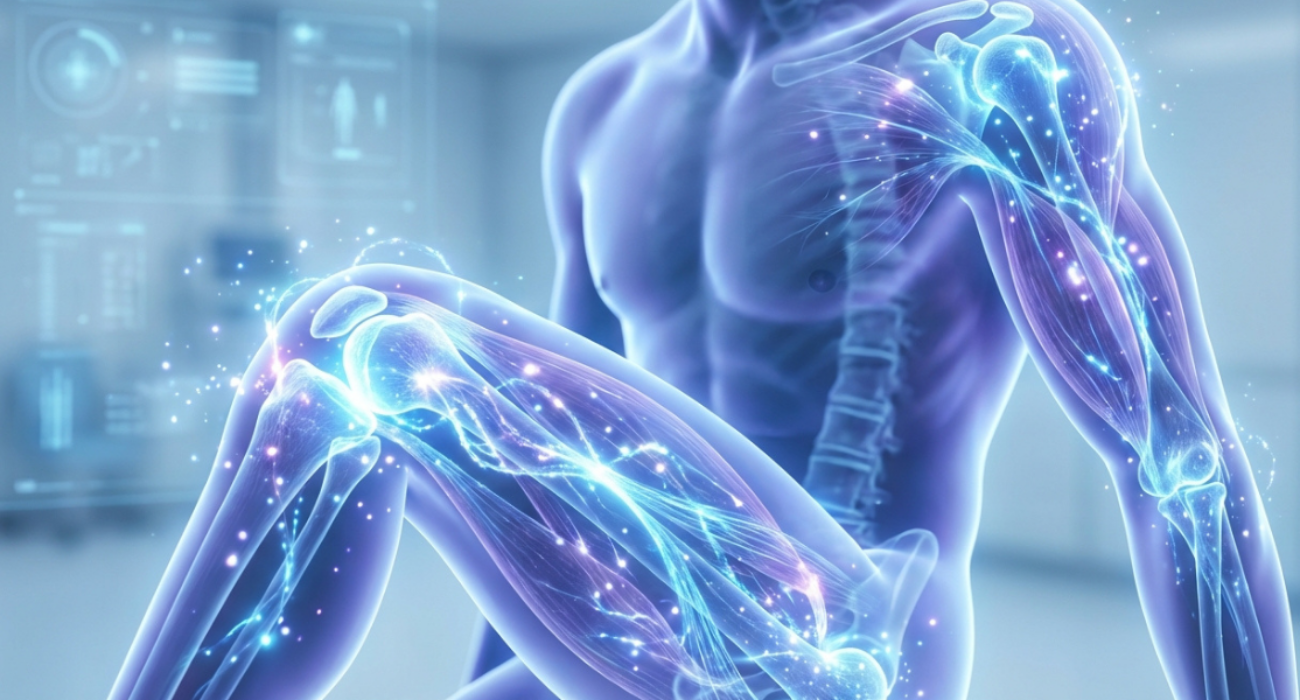
Whether you are a professional athlete, a weekend warrior, or someone just trying to get through daily life without nagging joint pain, injuries are an unfortunate reality. Traditionally, the advice for a torn muscle or a strained ligament has been “rest, ice, and wait.”
However, in 2026, the medical and fitness worlds are increasingly turning to peptides to speed up the body’s natural repair mechanisms. These small but mighty compounds are changing the way we look at recovery, moving beyond just “managing pain” to actively “building back better”.
In this post, we will explore the science behind healing peptides like BPC-157 and TB-500, and how they can help you get back on your feet faster.
What Makes Peptides Different for Healing?
To understand how peptides help, think of your body as a construction site. When you get injured, the site is damaged. Your body naturally sends “workers” (cells) to clear the debris and rebuild. However, as we age or deal with severe injuries, the communication between these workers can get slow and disorganized.
Peptides are signaling molecules. They act like the project managers of the construction site, giving clear instructions to your cells to:
-
Increase blood flow to the area.
-
Produce more collagen for structural strength.
-
Lower excessive inflammation that causes pain.
BPC-157: The “Body Protection Compound”
If there is a “superstar” in the world of healing peptides, it is BPC-157. Originally discovered in human gastric juice, this peptide is highly stable and incredibly effective at tissue repair.
How it Helps Muscles and Joints:
BPC-157 is unique because it promotes angiogenesis—the formation of new blood vessels. Why does this matter? Tendons and ligaments (the “white tissue” in your body) have very poor blood supply compared to muscles. This is why a torn ACL or Achilles takes so much longer to heal than a pulled bicep. BPC-157 helps bring “supplies” (nutrients and oxygen) directly to these hard-to-reach areas.
Key Benefits:
-
Tendon and Ligament Repair: It accelerates the healing of “slow-to-heal” tissues.
-
Gut Health: Because it originates in the stomach, it also helps heal the gut lining and reduce internal inflammation.
-
Pain Reduction: By speeding up the structural repair, the source of the pain is addressed rather than just masked.
TB-500: The Master of Mobility
While BPC-157 focuses on the structural site of the injury, TB-500 (a synthetic version of the naturally occurring Thymosin Beta-4) is the master of movement and flexibility.
How it Helps Inflammation and Flexibility:
TB-500 works by increasing actin, a protein that is critical for cell movement and tissue organization. It is exceptionally good at traveling through the body to find areas of inflammation. It helps “loosen up” scar tissue and ensures that the new tissue being built is flexible rather than stiff and brittle.
Key Benefits:
-
Reduced Inflammation: It is a potent anti-inflammatory that helps bring down swelling quickly.
-
Improved Range of Motion: It prevents the formation of thick adhesions (scar tissue) that can limit your movement after surgery or a bad strain.
-
Muscle Protection: It helps protect muscles from further injury during the rehab process.
The Power of “Recovery Blends”
In 2026, many specialists recommend using these peptides together in what is known as a recovery blend or “stack”.
Because BPC-157 and TB-500 work through different pathways, they offer a synergistic effect.
-
BPC-157 builds the “bridge” (new blood vessels and collagen fibers).
-
TB-500 ensures the bridge is “flexible” and that the surrounding area is free of debris (inflammation).
Using a blend can be particularly effective for:
-
Post-Surgical Recovery: Helping incisions and deep tissue layers knit back together.
-
Chronic Joint Issues: Helping people with long-term wear and tear in their knees, shoulders, or hips.
-
Acute Sports Injuries: Getting athletes back to training in a fraction of the usual time.
Are These Peptides Safe?
Peptides like BPC-157 and TB-500 are generally considered to have a high safety profile because they mimic substances your body already knows how to process. However, there are a few things to keep in mind:
-
Source Quality: Not all peptides are created equal. It is vital to use pharmaceutical-grade products from reputable sources.
-
Professional Guidance: While “DIY” recovery is popular, working with a sports medicine doctor or a peptide specialist ensures you are using the right dosage and timing for your specific injury.
-
Not a Shortcut for Rehab: Peptides help you heal, but you still need to follow your physical therapy exercises to regain strength and proper movement patterns.
Conclusion
The days of simply waiting for the body to heal itself are coming to an end. Peptides like BPC-157 and TB-500 offer a way to proactively support your body’s internal repair systems. By improving blood flow, reducing inflammation, and preventing stiff scar tissue, these “biological messengers” are helping people recover from injuries faster and more completely than ever before.
If you are dealing with an injury that just won’t quit, it might be time to look past the ice pack and explore the world of peptide therapy.
Disclaimer: This blog post is for informational purposes and is not intended as medical advice. Always consult with a qualified health professional before starting any new medical treatment or peptide regimen.