
If you’ve been browsing health blogs, scrolling through fitness social media, or listening to wellness podcasts lately, you’ve likely heard the word “peptides” popping up everywhere. They are being hailed as the next big thing for weight loss, anti-aging, and muscle recovery.
But for someone just starting out, the science can feel a bit overwhelming. Are they steroids? Are they just fancy proteins? How do they actually work?
In this beginner-friendly guide, we will strip away the complex jargon and explain exactly what peptides are, why they are so popular in 2026, and what you should know before trying them.
What Exactly Are Peptides?
To understand peptides, think of your body as a giant, high-tech factory. For this factory to run smoothly, different departments need to send messages to one another. Peptides are those messengers.
On a biological level, peptides are short chains of amino acids. Amino acids are the “building blocks” of life.
-
If you have a massive chain of amino acids (50 or more), it’s called a protein (like the collagen in your skin or the protein in a steak).
-
If the chain is short (usually between 2 and 50 amino acids), it is a peptide.
Because they are smaller than proteins, peptides can be absorbed by the body more easily and can “plug into” specific cells to tell them exactly what to do.
How Do Peptides Work?
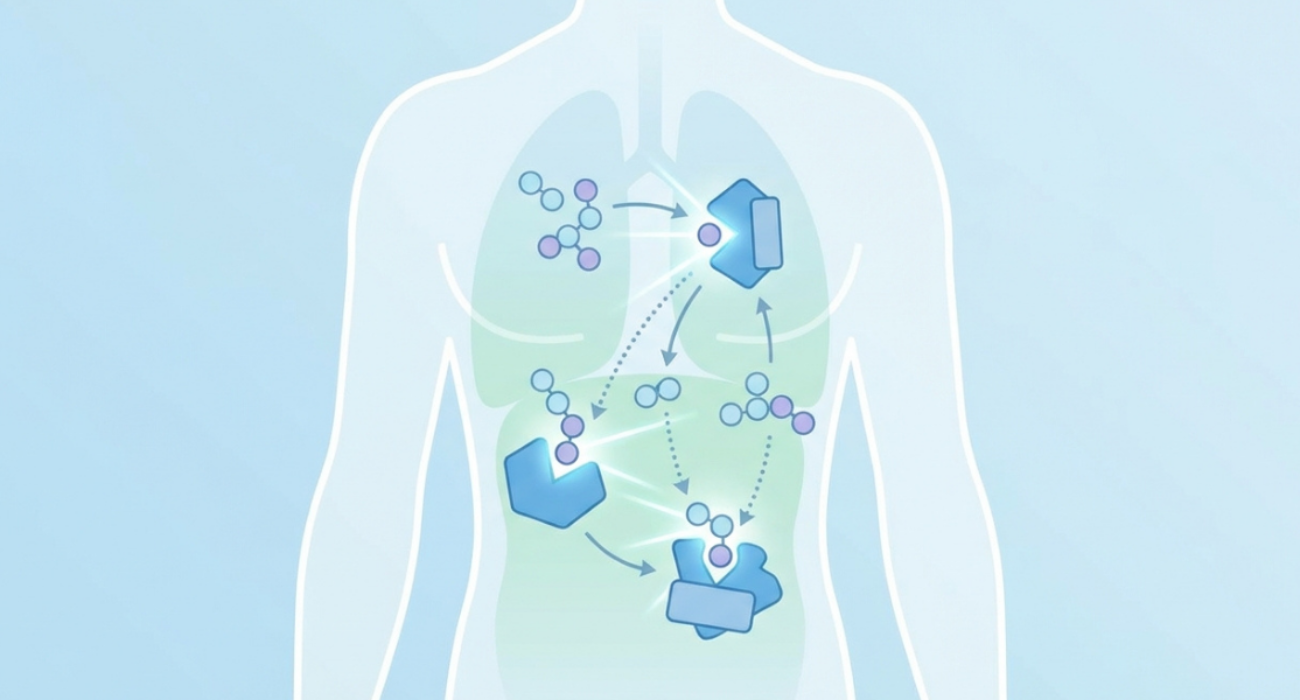
Peptides work through a process called cell signaling. Every cell in your body has “receptors” on the outside, which act like tiny keyholes. Peptides act like specific keys.
When a peptide finds the right receptor, it “unlocks” a specific function in that cell. For example:
-
One peptide might tell your skin cells to produce more collagen.
-
Another might tell your fat cells to break down for energy.
-
A third might tell your brain that you are full and don’t need to eat more.
Because they mimic the signals your body already produces, they are often seen as a more “natural” way to assist the body’s functions compared to harsh synthetic chemicals.
Popular Types of Peptides and Their Benefits
There are hundreds of different peptides, each with a specific “job.” Here are the categories most beginners are interested in:
1. Weight Loss & Appetite Control
These are currently the most famous peptides. They mimic hormones in your gut to help you manage your weight.
-
Examples: Semaglutide and Tirzepatide.
-
Benefit: They slow down digestion and tell your brain you are full, making it much easier to stick to a healthy diet.
2. Tissue Repair & Injury Recovery
Some peptides are incredible at fixing “wear and tear” in the body.
-
Examples: BPC-157 and TB-500.
-
Benefit: They help repair tendons, ligaments, and muscles much faster than rest alone. They are favorites among athletes and people recovering from surgery.
3. Anti-Aging & Skin Health
In the beauty world, peptides are the gold standard for youthful skin.
-
Example: GHK-Cu (Copper Peptides).
-
Benefit: They encourage the skin to produce collagen and elastin, which reduces wrinkles and gives the skin a healthy “glow.”
4. Brain Health & Focus
Known as “nootropic” peptides, these focus on mental performance.
-
Examples: Semax and Selank.
-
Benefit: They can help improve memory, reduce anxiety, and clear away “brain fog.”
How Are Peptides Used?
Peptides come in several forms, depending on what they are meant to do:
-
Topical (Creams/Serums): Common for skin health and anti-aging.
-
Oral (Capsules/Liquids): Some recovery and gut-health peptides come in pills.
-
Injections: Many of the most effective peptides (like those for weight loss or deep tissue repair) are administered via a tiny needle just under the skin once a day or once a week.
-
Nasal Sprays: Often used for brain-health peptides to ensure they reach the brain quickly.
Safety First: What Beginners Must Know
While peptides are generally safer than many other performance-enhancing substances because the body recognizes them, they are still powerful biological tools. Here is what you need to keep in mind:
-
Source Matters: Never buy peptides from “black market” websites or unregulated sources. You want pharmaceutical-grade products that are tested for purity.
-
Side Effects: Depending on the peptide, you might experience mild side effects like nausea (common with weight loss peptides) or redness at the injection site.
-
Not a “Magic Bullet”: Peptides work best when you are already doing the basics. A weight loss peptide won’t work forever if you don’t eat well, and a recovery peptide won’t help if you don’t do your physical therapy.
-
Consult a Professional: You should always talk to a doctor or a qualified peptide specialist before starting. They can help you find the right dosage and ensure the peptide won’t interfere with any other medications you are taking.
Summary Checklist for Beginners
-
Identify your goal: Are you looking for weight loss, better skin, or faster recovery?
-
Do your research: Learn which specific peptide matches your goal.
-
Find a reputable clinic: Ensure you are getting medical-grade products.
-
Start slow: Follow the recommended dosage to let your body adjust.
-
Monitor your results: Keep track of how you feel and any changes you notice.
Conclusion
Peptides are an exciting bridge between traditional medicine and advanced wellness. By using the body’s own language—amino acids—to send “repair” and “regulate” signals, they offer a way to optimize our health from the inside out.
Whether you want to sharpen your mind, heal an old injury, or finally manage your weight, there is likely a peptide that can help. Just remember to treat them with respect, prioritize quality, and always seek professional guidance.